

strengthened glass
Understanding Water Gate Valve Types Water gate valves are essential components in various water management systems, serving as crucial devices for controlling the flow of water in pipelines. These valves are designed to allow or block the passage of water when needed, making them indispensable in both residential and industrial applications. There are several types of water gate valves, each with unique features and use cases. 1. Wedge Gate Valves Wedge gate valves are among the most common types. They operate by using a wedge-shaped disc that fits tightly against a seat to create a seal. The valve is opened and closed by raising and lowering the wedge. This design allows for minimal friction, ensuring a smooth operation. Wedge gate valves are ideal for full flow applications and are often utilized in water supply systems, irrigation, and pipelines where a straight-line flow of fluid and a low resistance is required. 2. Parallel Gate Valves Parallel gate valves feature a pair of parallel discs or blades that close together to block off flow. Unlike wedge gate valves, the design prevents contact between the seating surfaces when the valve is fully closed, reducing wear and enhancing durability. These valves are useful in applications where flow regulation is essential, such as in wastewater disposal and industrial processes. Moreover, parallel gate valves provide low resistance, making them suitable for high-capacity water systems. 3. Sliding Gate Valves Sliding gate valves operate by moving a flat gate back and forth within the valve body. When the gate is retracted, water can flow freely; when pushed into position, it seals the flow. Although less common than wedge and parallel types, sliding gate valves are beneficial in certain scenarios, particularly in applications where space is tight. Their ability to provide a reliable seal and their straightforward design make them advantageous in specialized settings such as dam systems and irrigation projects. water gate valve types 4. Bolted Bonnet Gate Valves Bolted bonnet gate valves are constructed with a separate bonnet that is bolted to the valve body. This design allows for easy disassembly for maintenance or repairs without needing to dismount the entire valve from the pipeline. These valves ensure a tight seal and are recommended for high-pressure applications, including municipal water supply systems. Their robust design is particularly suitable for environments where reliability and ease of maintenance are critical. 5. Gear Operated Gate Valves Gear-operated gate valves utilize a gear mechanism to open or close the valve. This feature allows for smoother operation, especially in larger valves that can be difficult to move manually. The added advantage of gear operation is that it minimizes the required torque, making it easier to control the valve, especially in high-pressure or large-diameter applications. These valves are often used in water treatment plants and pumping stations, where precise control of flow is essential. 6. Electric Actuated Gate Valves For systems requiring automated control, electric actuated gate valves are an excellent choice. These valves are equipped with electric actuators, enabling them to open and close remotely through an electric signal. This functionality is incredibly beneficial in scenarios where operators must monitor and adjust water flow from a distance, enhancing efficiency and safety in water management operations. Conclusion Choosing the right type of water gate valve is crucial for ensuring the efficiency and reliability of water systems. Understanding the distinct features and applications of various gate valves—such as wedge, parallel, sliding, bolted bonnet, gear-operated, and electric actuated—empowers professionals to make informed decisions tailored to their specific requirements. By selecting the appropriate valve type, users can optimize flow control, enhance durability, and improve maintenance practices in their water management projects. As water systems grow increasingly complex, the role of appropriately chosen gate valves becomes ever more significant.
about
strengthened glass
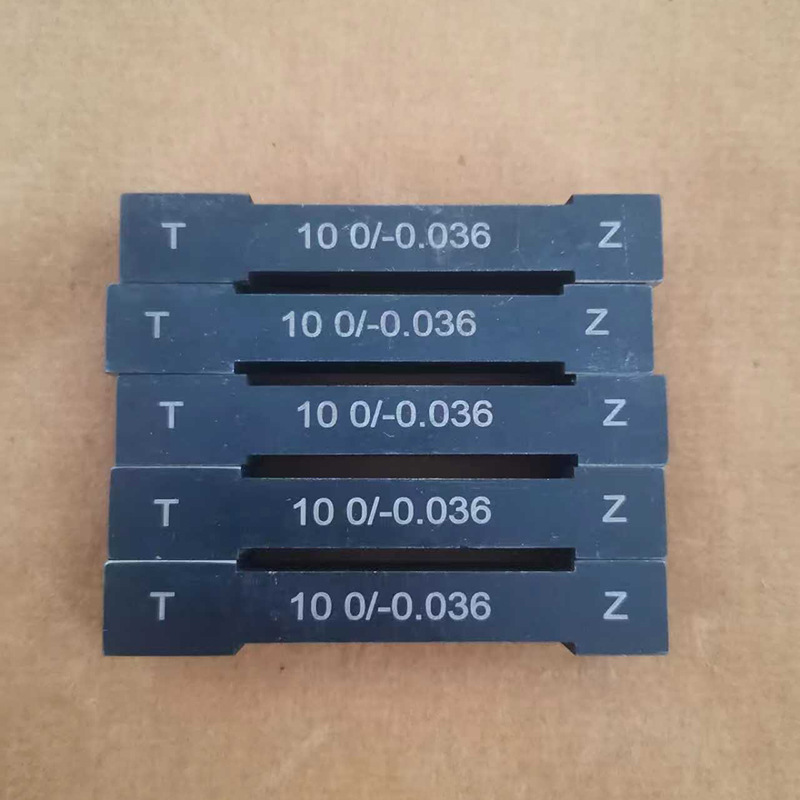
Spline Gage Calibration Ensuring Precision in Measurement Calibration is a critical process in maintaining the accuracy and reliability of measurement instruments, and spline gages are no exception. Spline gages are specialized tools used to measure the dimensions of various spline profiles, which are integral in the manufacturing of mechanical components such as gears, shafts, and couplings. The calibration of these gages ensures that they provide precise measurements essential for maintaining quality control in production processes. Spline Gage Calibration Ensuring Precision in Measurement The calibration of spline gages typically involves several steps. Initially, the gage is inspected for any physical damages or wear that might influence its accuracy. Following a thorough visual check, the gage is then compared against a master gage, which has been previously calibrated to a known standard. This comparison helps identify any discrepancies that may exist in the spline gage’s measurements. spline gage calibration Typically, calibration can be performed using both contact and non-contact methods. Contact methods involve physically placing the gage on the spline to obtain a measurement, while non-contact methods may utilize laser or optical measurements. Regardless of the method used, the goal remains the same to ascertain that the spline gage outputs measurements that are accurate and repeatable. After the calibration process is complete, detailed records of the results are maintained. These records are crucial as they ensure traceability and can be referred to during audits or quality assurance checks. Accurate documentation also aids in identifying trends over time, which can signal when recalibration may be required due to wear or material fatigue. In many industries where spline products are integral, including automotive, aerospace, and heavy machinery, the consequences of using uncalibrated or poorly calibrated gages can be severe. Components that do not meet specifications may lead to product failures, increased manufacturing costs, and compromised safety. In conclusion, spline gage calibration is a fundamental process in quality assurance that plays a significant role in ensuring mechanical components perform as intended. By adhering to strict calibration protocols, manufacturers can enhance product quality, improve operational efficiency, and ultimately ensure customer satisfaction. Through consistent application of best practices in spline gage calibration, industries can better safeguard the integrity and reliability of their products.
-

High quality industrial productsagement

High quality industrial products
View Details -

Meet the diverse needs of customers

Meet the diverse needs of customers
View Details -

Strict quality control

Strict quality control
View Details -

Top raw materials

Top raw materials
View Details -

Trusted supplier

Trusted supplier
View Details
Our application

news and information

Versatile 3x6 Feet Welding Table for Efficient Metalworking and Fabrication Projects
The Versatility and Advantages of a 3x6 Welding Table Welding is a crucial process in various indust

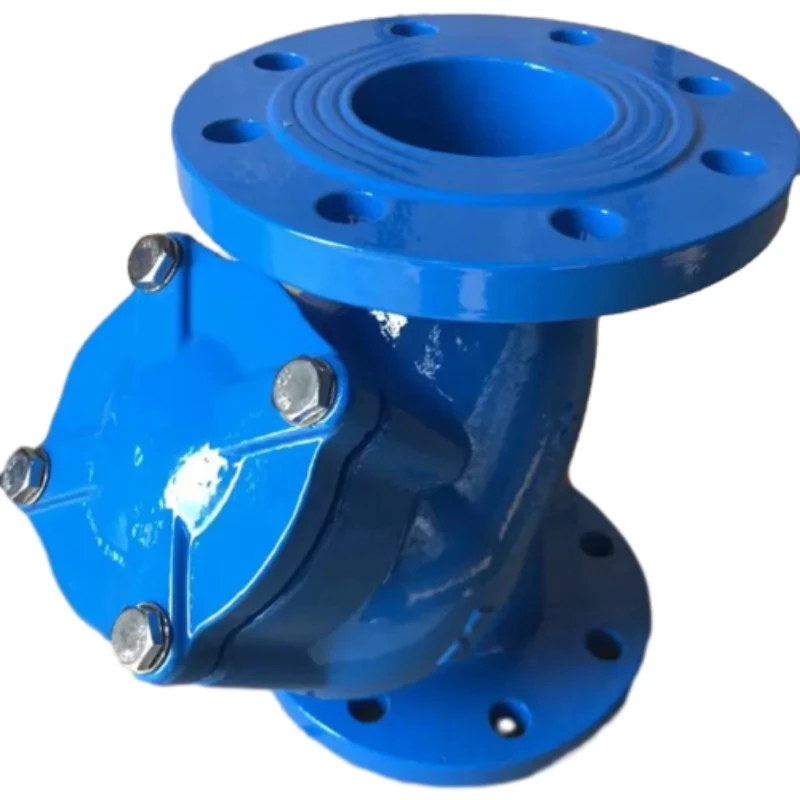
Y Type Strainer Featuring Convenient Drain Valve for Efficient Fluid Filtration
Understanding Y-Type Strainers with Drain Valves In industrial settings, efficient fluid management
Wooden Nail Plates for Secure and Durable Construction Solutions
The Importance of Nail Plates for Wood Construction When it comes to woodworking and construction, t
 English